
When we started
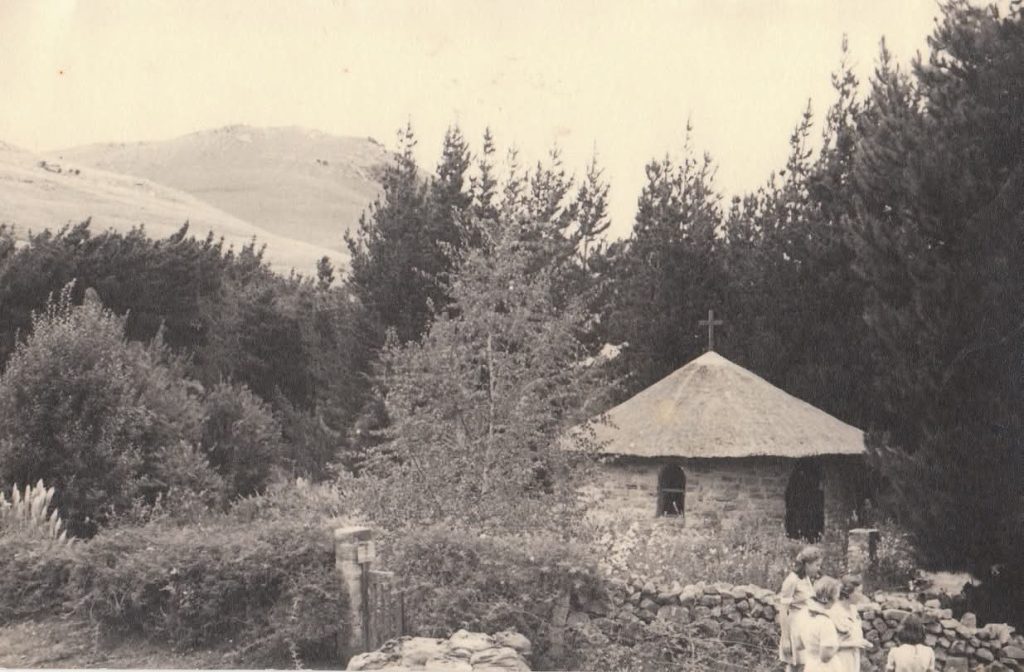
A timeline of building a church
Building a chapel is a lifelong process, and since 1935, St. Patrick-on-the-hill has been no different.
Over the decades, the chapel has witnessed countless historical moments, each adding to its rich tapestry. The building’s evolution reflects not only architectural changes but also the enduring spirit of the community surrounding it.
Originally built in 1935 as a stone-and-thatched rondavel by Bert Summerton for Ken Hobart-Houghton.
It was a place of worship for his wife, Cherrie. The chapel could accommodate 12 people.
In 1963, the couple donated the church to the Anglican Diocese of Grahamstown.
In 1971, St Patrick’s became a chapelry of Fort Beaufort. Eminent clergymen worshipped here, e.g., Archbishop Selby Taylor and Bishop Leslie Stradling. The minister for many years was Rev. Joe Lister.
In 1992, Fred Tyler expanded the chapel by adding two rondavels, each seating 70 people. Uncle Fred passed in 2025.
In 1999, Rev. Dr Bride Dickson, the local priest who pioneered women as priests in the Anglican Church, was murdered during a robbery at her house. The bell tower stands as a monument to her.
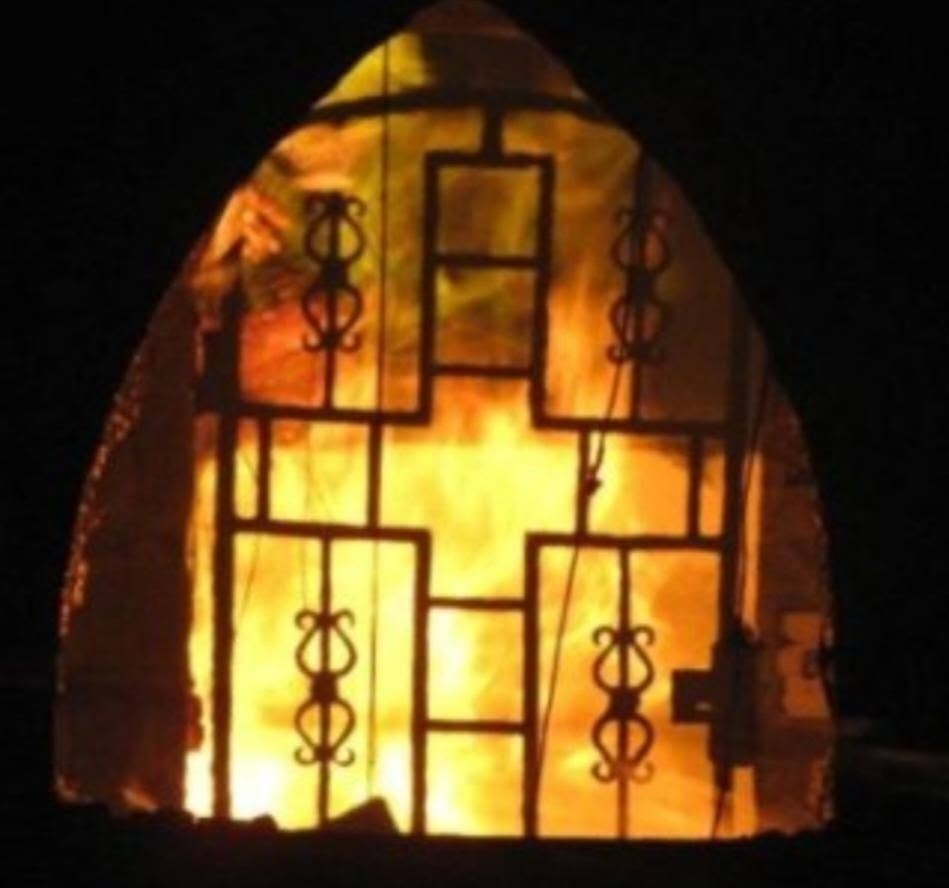
Your church is on fire!
On Pentecost Sunday, 23 May 2010, the chapel burned down because of an electrical fault.
In the aftermath of the fire, the community rallied together with remarkable resilience and determination. Through generous donations and countless volunteer hours, the rebuilding effort became a symbol of hope and renewal for everyone involved.
The new chapel stands today as a testament to this shared commitment, blending cherished elements from the past with thoughtful modern touches that honour its enduring legacy. It now includes extensions to the vestry, the foyer, and the deck. Fin Weakly, Fritz Klaasen and George Kemp were responsible for rebuilding the chapel.
Trevor Webster remembers: “I can see Fritz carefully choosing his stones and proudly supervising his men to be punctual and to build the finest chapel.“
Significant items include the foundation stones, the piano frame, the outdoor cross, the sundial dated from 1687, the chalice, the 1820 settler church door, the glass engravings of the Trinity with Hogsback lilies reaching out of the circle, the Xhosa grinding stone as a baptism font, the cypress floor, and the wooden sculpture of the crucifix with Christ.